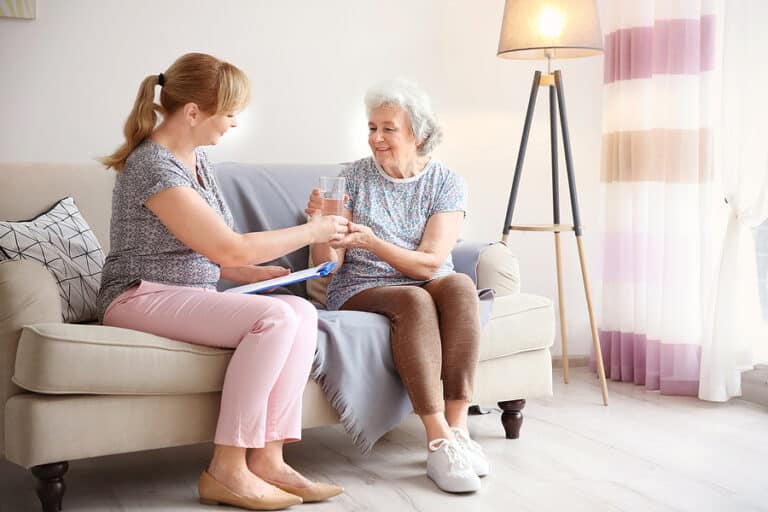
Understanding Dehydration in Older Adults
Home care helps prevent dehydration in older adults by monitoring hydration, recognizing early warning signs, and supporting daily health and safety.

Home care helps prevent dehydration in older adults by monitoring hydration, recognizing early warning signs, and supporting daily health and safety.
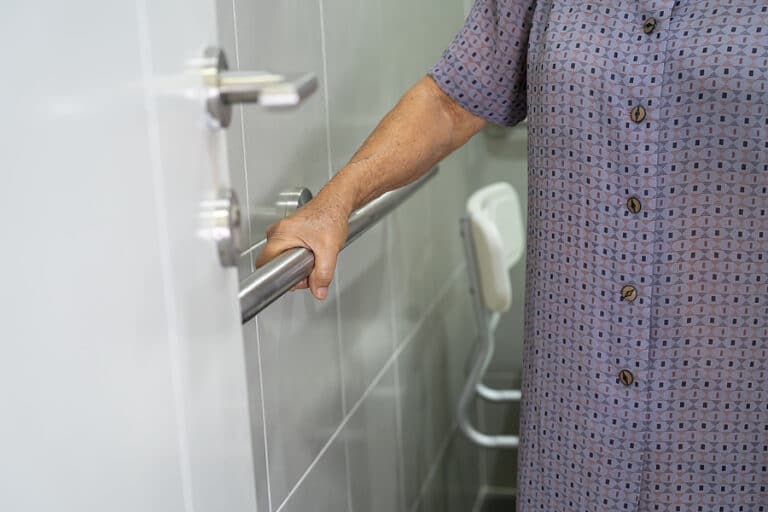
Personal care at home helps seniors stay safe in the bathroom by reducing fall risks and providing support with bathing and daily hygiene.

Introverted seniors might be especially happy with their decision to age in place, but they may still need some support. Home care services can offer help that fits their needs.

Companion care at home provides vital emotional support to grieving seniors living alone, helping to break the cycle of isolation by offering trusted friendship, a listening ear, and gentle encouragement toward healthier daily routines.

Early, consistent dementia care at home can help seniors stay mentally active, socially connected, and emotionally supported—slowing cognitive decline and improving their quality of life.

When family caregivers start to feel overwhelmed, that is their big sign to start getting some extra help.

Home care assistance makes shopping safer, easier, and more enjoyable for seniors living alone by providing support with transportation, store navigation, budgeting, and companionship.

Because diabetes can cause nerve damage and poor circulation, even a small foot injury can quickly become a serious infection—making regular foot care and prevention essential for your loved one’s health.

Taking a senior parent with Alzheimer’s to a medical appointment can be challenging, but planning ahead, bringing comfort items, and considering Alzheimer’s home care support can help ensure they stay safe and comfortable throughout the visit.

With companion care at home, seniors can create organized, accessible living spaces that support independence, safety, and comfort as they age.
