Dehydration poses a significant health risk, particularly for older adults, yet it frequently goes unnoticed until it reaches a critical stage. Aging brings about physiological changes that heighten the risk of dehydration, with potential outcomes ranging from mild discomfort to life-threatening complications. Recognizing the signs of dehydration and understanding how home care providers can assist are essential for preserving the health and well-being of seniors.
Why Seniors Are More Vulnerable
Several age-related factors elevate the risk of dehydration in older adults. The body’s capacity to retain water diminishes over time, and the thirst response becomes less sensitive. As a result, seniors might not perceive their need for fluids until dehydration has already begun.
It is also important to understand that medications commonly used in seniors, such as diuretics and antihypertensives, can increase fluid loss. At the same time, physical limitations may prevent older adults from easily obtaining water during the day, while cognitive decline can cause some seniors to forget to drink.
Recognizing the warning signs early is key to avoiding serious problems. In older adults, common signs of dehydration include a dry mouth and lips, less frequent urination or darker urine, and unusual tiredness or weakness. Seniors may also feel dizzy or lightheaded, especially when standing up, increasing the risk of falls that could be harmful. Additionally, confusion or a sudden shift in mental clarity may indicate dehydration, as may dry, inelastic skin.
Physical signs might include headaches, a racing pulse, and low blood pressure. If dehydration becomes more serious, seniors could develop sunken eyes, rapid breathing, or even lose consciousness. Since these symptoms can mimic other health issues, having home care in place can give both the senior and family members peace of mind, knowing these signs will be recognized and that help will be available right away.
The Importance of Home Care in Prevention
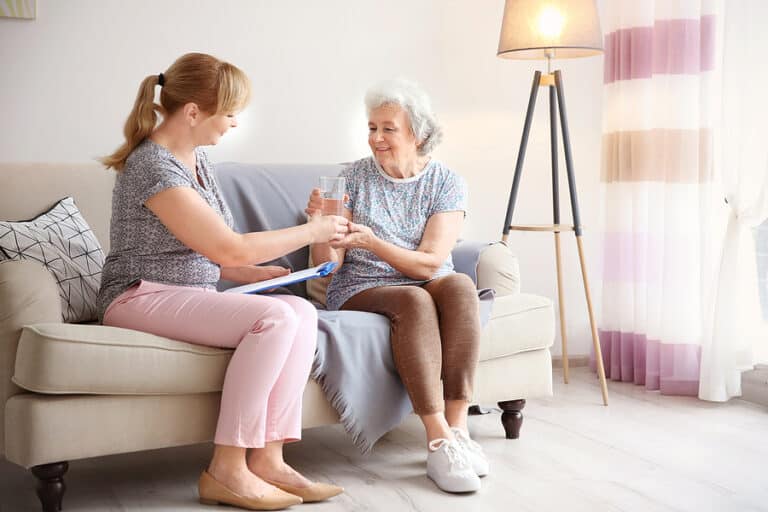
Professional home care services are essential in preventing dehydration for seniors who want to remain in their own homes. Trained caregivers provide consistent oversight and subtle encouragement, ensuring seniors receive adequate fluids throughout the day, even when they’re not thirsty. They can also monitor fluid intake trends and alert family members or healthcare professionals to any issues before they become serious.
Home care professionals know that hydration goes beyond just drinking water. They can prepare hydrating foods such as soups, fruits, and vegetables, and present appealing drink choices to encourage regular fluid intake. For seniors who have difficulty swallowing, caregivers can provide liquids thickened to healthcare providers’ specifications.
In addition to direct hydration assistance, home care assistants work to maintain the conditions that help prevent dehydration. They keep rooms at a comfortable temperature, assist with bathroom needs to reduce concerns about incontinence, and manage medications that may affect fluid levels. For seniors who have difficulty getting around, caregivers should ensure water is readily available and offer physical assistance when necessary.
Dehydration in older adults is mostly avoidable with the right support and awareness. Home care services provide a proactive solution, offering the daily attention and assistance that keeps seniors hydrated and healthy. By understanding the specific challenges older adults face and using consistent hydration strategies, home care professionals help seniors stay independent while lowering the chances of dehydration-related health issues.
If you or an aging loved one is considering Home Care in Hempstead, NY, please contact the caring staff at Help at Home today at (631) 859-3435
Help at Home is a top provider of home care services in Islip, Babylon, Huntington, Smithtown, Brookhaven, Hempstead & Oyster Bay, and surrounding areas on Long Island & NYC. We serve Brooklyn, Queens, Nassau, and Suffolk Counties.
Sources:
- https://www.verywellhealth.com/symptoms-of-dehydration-in-elderly-8689952
- https://www.webmd.com/healthy-aging/what-to-know-about-dehydration-in-older-adults
- https://health.clevelandclinic.org/drink-up-dehydration-is-an-often-overlooked-health-risk-for-seniors

Whether you or a loved one is recuperating from an illness or a senior requiring care, we can help. Help at Home is committed to providing quality home care at affordable rates. Helping a patient remain in the comfort and security of their home is our goal. We are the best alternative to nursing homes and assisted living facilities. Help at Home caregivers
- How Families Pay for In-Home Care - October 9, 2026
- Early Warning Signs That Your Parent Needs Home Care - September 23, 2026
- Don’t Wait To Get Dementia Care For Your Parent - September 11, 2026